11 July 2025
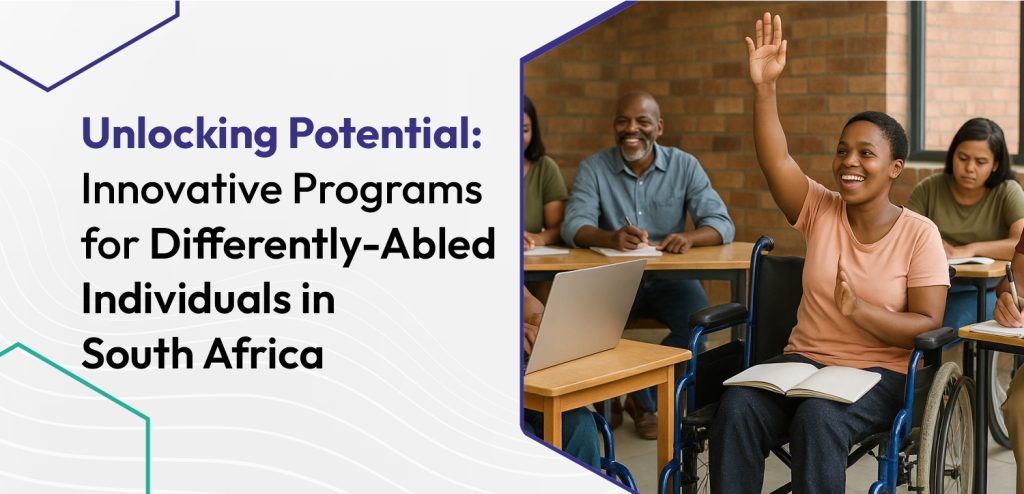
Unlocking Potential: Innovative Programs for Differently-Abled Individuals
- Share on
-

-

-


Innovative Programs Empowering Differently-Abled People
Every person has unique strengths and talents. These abilities help shape a meaningful life. For differently-abled individuals, this journey can be harder due to social barriers, limited access, and lack of awareness.
In recent years, this reality has begun to change. Many innovative programs now focus on empowerment, inclusion, and independence. These initiatives build skills while also strengthening confidence, dignity, and self-belief.
In this blog, we highlight key programs that help differently-abled individuals live independent and fulfilling lives.
Innovative Programs for Differently-Abled Individuals
1. Skill Development and Vocational Training
Learning job-ready skills is a major step toward independence. Vocational training programs help differently-abled individuals earn a living and build self-confidence.
Many NGOs and institutions offer courses based on different abilities, such as:
- Tailoring and handicrafts
- Computer and digital skills
- Digital marketing
- Baking and food services
- IT-enabled services
Some centers also teach the use of assistive technology. This helps visually impaired individuals work in fields like telemarketing, transcription, and teaching.
These programs improve employability and challenge outdated beliefs about dependency.
2. Inclusive Education Programs
Education is a basic right. However, many children with disabilities were once excluded from regular schools.
Inclusive education programs now ensure that classrooms are accessible and supportive. These schools provide:
- Resource teachers
- Flexible learning methods
- Assistive learning tools
Students learn alongside their peers. This builds empathy, confidence, and social acceptance from a young age.
Many schools also offer speech therapy, occupational therapy, and emotional support.
3. Technology and Assistive Innovations
Technology has transformed accessibility for differently-abled individuals.
Common assistive solutions include:
- Screen readers for the visually impaired
- Hearing aids and speech devices
- Smart wheelchairs
- AI-powered prosthetics
Mobile apps now help users read text aloud, navigate cities, and communicate using sign language.
These innovations support independence at work, school, and daily life.
4. Employment and Entrepreneurship Support
Finding stable employment can be difficult for differently-abled individuals.
Inclusive employment programs partner with companies to promote:
- Diversity hiring
- Accessible workplaces
- Employee sensitivity training
Some programs also support entrepreneurship by offering:
- Seed funding
- Business mentoring
- Market access
This helps individuals become business owners and community leaders.
5. Sports and Cultural Programs
Sports, arts, and culture build confidence and encourage social inclusion.
Popular adaptive sports include:
- Wheelchair basketball
- Para-swimming
- Blind cricket
Cultural programs such as dance, music, theater, and painting allow creative expression.
Inclusive festivals showcase talent and send a strong message of equality.
6. Community-Based Rehabilitation (CBR) Programs
In rural areas, differently-abled individuals often lack access to basic services.
Community-Based Rehabilitation (CBR) programs provide support at the local level. These programs focus on:
- Health and rehabilitation
- Education and skills
- Livelihood opportunities
- Social inclusion
CBR programs involve families and communities. This reduces stigma and promotes shared responsibility.
7. Mental Health and Counseling Initiatives
Emotional well-being is just as important as physical support.
Many programs now offer:
- Individual counseling
- Peer support groups
- Therapy sessions
Family counseling also helps caregivers provide better emotional support at home.
Looking Ahead: Building a Truly Inclusive Future
These programs prove an important truth. Differently-abled individuals are limited not by disability, but by social barriers.
Investment in education, skills, technology, employment, culture, and mental health creates equal opportunities.
Governments, NGOs, businesses, and communities must work together. Policies must lead to real action.
When innovation meets empathy, lives change. We unlock potential and build a society where everyone contributes with dignity and pride.